The bioeconomy is often described as the transition from a fossil-based economy to one based on renewable biological resources. In European policy language, it includes agriculture, forestry, fisheries, aquaculture, food, feed, bio-based products, energy, services, ecosystems, and the industrial sectors that use biological resources and processes.
That breadth is its strength. But it also creates a difficult question.
If the future economy is supposed to rely more on biological resources, where will all the biomass come from?
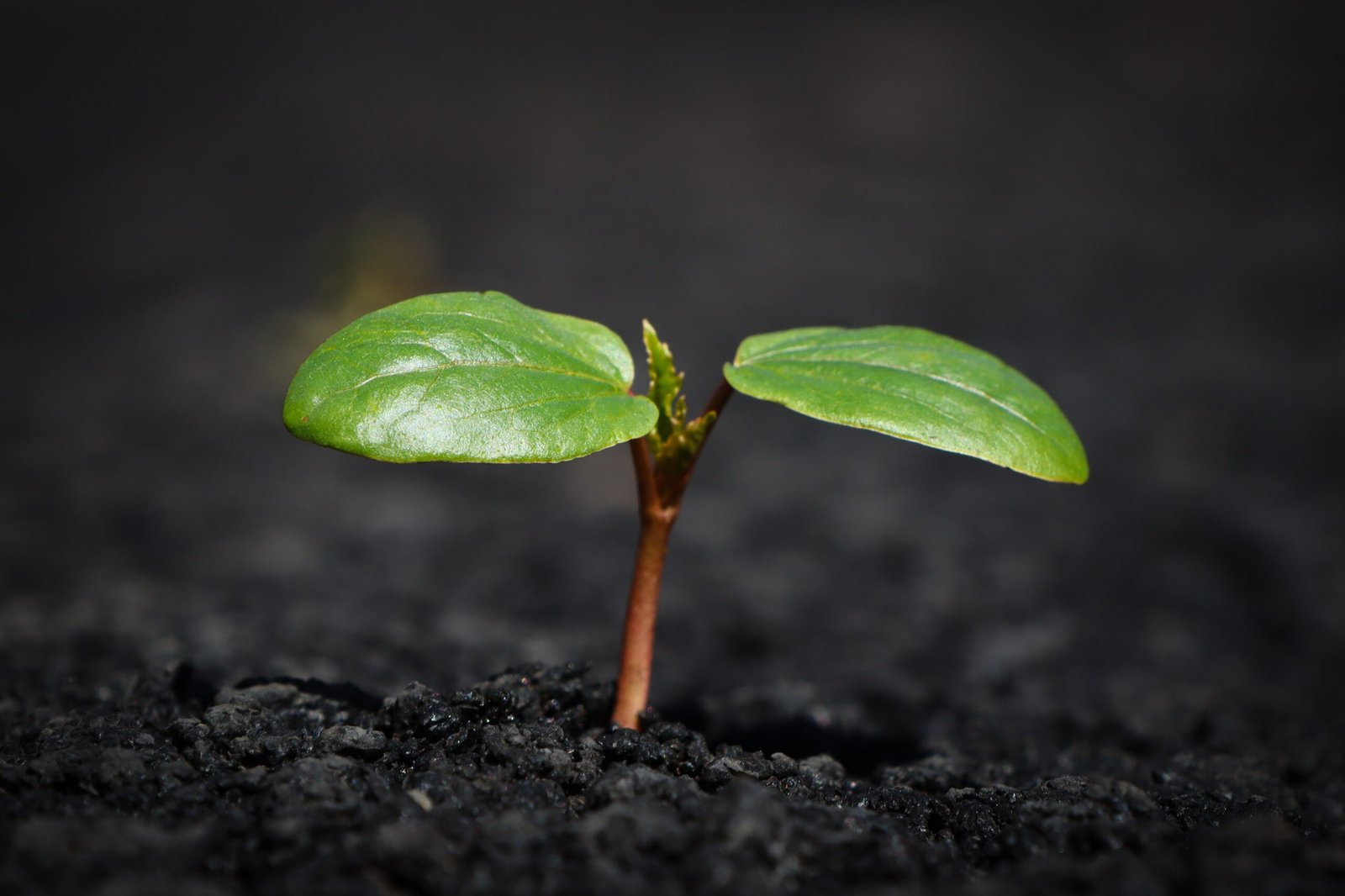
This question sits at the heart of the bioeconomy debate. Agriculture, forests, oceans, microorganisms, waste streams, residues and side-streams may all contribute. But there are ecological limits. We cannot simply replace fossil extraction with unlimited biological extraction and call it sustainable. More demand for biomass can also mean more land pressure, more monocultures, more fertilizer use, more biodiversity loss, and more competition between food, feed, materials, energy and ecosystem restoration.
So perhaps the next phase of the bioeconomy needs a slightly different question.
Not only: How much biomass can we produce?
But also:
Which biological pathways maximize resilience while minimizing total ecological and systemic pressures?
and even perhaps:
Which pathways should exist at all?
Food systems are not just another sector
In many bioeconomy discussions, food appears as one important sector among others: alongside forestry, packaging, chemicals, textiles, biomaterials, biofuels and energy. All of these are substantial. But food systems deserve special attention because they are one of the central metabolic engines of the bioeconomy.
Food systems move enormous flows of biological material every day: crops, feed, oils, proteins, nutrients, fertilizers, animals, waste streams, water, land, public money and trade. They shape landscapes, rural economies, nitrogen and phosphorus cycles, biodiversity, public health and climate pressure.
This means that food is not simply a consumer category. It is biological infrastructure.
And if food systems are biological infrastructure, then the way nutrients move through them matters deeply.
A large part of today’s food system still relies on long, resource-intensive biological detours. Crops are grown not directly for human food, but for feed. Nutrients move through animals before reaching people. Marine nutrients such as omega-3 often travel through long aquatic chains before being extracted and sold as supplements or ingredients. Land, energy and biomass are converted through multiple biological layers before becoming human nutrition.
Some of those pathways evolved historically for understandable reasons. But in a bioeconomy facing land, climate and biodiversity constraints, we need to ask whether all of them still make sense at the scale at which they now operate.
The EU Bioeconomy Strategy Progress Report notes that the bioeconomy is meant to take a cross-sectoral perspective and help identify trade-offs between land and biomass demands. That is exactly where food-system thinking becomes essential.
The biomass dilemma is also a pathway dilemma
The bioeconomy is often framed as a supply question: how to secure enough sustainable biomass for food, feed, materials, chemicals, energy and industrial products.
But it is also a design question.
If we use biological resources inefficiently, no amount of additional biomass will solve the problem. A bioeconomy that simply demands more crops, more timber, more residues and more biological carbon may become another extractive system — only with greener language.
A sustainable bioeconomy cannot be built only on producing more biomass. It must also reduce unnecessary biological detours.
This is where the food system becomes especially important. If some nutrients can be delivered through more direct pathways — plant-based foods, fermentation, algae, microbial oils, functional ingredients, side-stream valorization, precision nutrition ingredients — then the total pressure on land and ecosystems may be reduced.
This does not mean every technological solution is automatically sustainable. It also does not mean every traditional system is automatically bad. The real question is comparative:
Which system creates the lowest total ecological pressure across the whole pathway?
That includes land use, biodiversity, fertilizer, water, energy, emissions, pollution, nutrient losses, infrastructure, social impacts and opportunity costs.
Ecological efficiency is not the same as sustainability
This distinction matters.
Palm oil is a useful example. Oil palm is one of the most land-efficient oil crops in the world. Per hectare, it can produce far more oil than many alternatives. From a narrow land-efficiency perspective, it can look remarkably efficient.
But ecological efficiency does not automatically equal sustainability.
If production expands into tropical forests, peatlands or biodiversity hotspots, the land-efficiency argument becomes dangerously incomplete. A crop can be biologically productive and still be ecologically destructive in the wrong place, under the wrong governance, or at the wrong scale.
The same logic applies across the bioeconomy.
A biofuel may be renewable but still compete with food crops or encourage monocultures. A bioplastic may reduce fossil inputs but still depend on intensive agricultural feedstocks. A microbial oil may reduce land pressure but require energy, sugar inputs and industrial infrastructure. A forest product may store carbon, but forestry practices still matter. A circular system may reuse waste, but not all waste streams are equally clean, safe or scalable.
This is why the central question should not be: “Is it bio-based?”
It should be: What is the full pathway, and what pressure does it create?
Biosolutions as infrastructure, not science fiction
This is also where biosolutions need to be understood more seriously.
Biosolutions are often presented as futuristic, niche or experimental. But many biological production systems already exist. Fermentation is old. Enzymes are used industrially. Microorganisms are used in food, pharmaceuticals, ingredients and chemicals. Algae, microbial proteins, precision fermentation, side-stream valorization and functional ingredients are not science fiction. They are emerging infrastructure for a more efficient bioeconomy.
Their importance is not only that they can create new products.
Their deeper importance is that they may redesign biological pathways.
Instead of relying on long routes from crop to feed to animal to ingredient, some nutrients and functional compounds may be produced more directly. Instead of extracting omega-3 through fish-based systems, algae can provide a shorter route. Instead of treating agricultural and food side-streams as low-value waste, they can become inputs for higher-value production. Instead of designing the food transition only around supermarket products, we can look upstream: at ingredients, feedstocks, oils, proteins, enzymes and manufacturing capacity.
That shift matters.
Because the future of food may not be decided only at the consumer shelf. It may also be decided in the invisible infrastructure of ingredients.
Agriculture’s role must evolve — not disappear
This does not mean agriculture becomes less important. Quite the opposite.
In the bioeconomy, agriculture becomes even more strategic. It produces food, feed, fiber, biomass, ecosystem services, soil carbon, rural livelihoods and potential feedstocks for new value chains. But that also means agriculture cannot be asked to do everything at once without a serious strategy.
If agriculture is expected to provide biomass for food, feed, materials, fuels, textiles, chemicals and energy, then biomass allocation becomes a political and ecological question.
Which crops should be grown? For whom? For what purpose? With what opportunity cost? Should land be used for feed, food, industrial inputs, carbon storage, restoration or biodiversity? How do we prevent a “green” demand for biomass from creating new monocultures and ecological pressure?
This is where food-system transformation and bioeconomy strategy need to meet.
A more nutrient-efficient food system could potentially free some pressure from agricultural land. If fewer resources are routed through inefficient conversion pathways, more land and biomass could become available for other purposes: diversified farming, legumes, agroforestry, ecosystem restoration, biomaterials, regional value chains, or simply less pressure on nature.
That is why plant-based systems, fermentation, algae and microbial production should not be treated only as lifestyle or food-tech trends. They can be part of a broader bioeconomy strategy: a way to reduce pressure on the biological resource base by improving pathway efficiency.
From “more biomass” to “better pathways”
The bioeconomy has enormous potential. It can help Europe reduce fossil dependence, build regional value chains, create rural jobs, modernize industry, and produce food and materials in more sustainable ways. The EU documents already emphasize circularity, sustainability, cross-sectoral thinking, rural development, innovation and ecological boundaries.
But if the bioeconomy is to avoid becoming a new form of biological overconsumption, it needs a stronger focus on pathway design.
The future question may not be only:
How do we replace fossil carbon with biological carbon?
But also:
How do we move nutrients, biomass and biological value through the economy with the lowest total ecological pressure?
That question brings food and agriculture to the center of the conversation. Not because forestry, materials, chemicals, textiles or energy are unimportant — they are crucial. But because food systems are among the largest biological throughput systems we have, and because many of their current pathways are still structurally inefficient.
Europe’s food bioeconomy still relies heavily on long, resource-intensive biological detours. A more mature bioeconomy should not only produce more biomass. It should ask which pathways are worth scaling, which should be shortened, which should be redesigned, and which should be phased down because they place too much pressure on land, ecosystems and future generations.
Perhaps the next frontier of the bioeconomy is not simply biological substitution.
It is biological intelligence.
Not just using biology more.
Using it better.